Video: Well-Safe Solutions 5th Anniversary

By |

Five years of Well-Safe Solutions

On 1 August 2017, Well-Safe Solutions officially started trading from a small office in the West End of Aberdeen with five members of staff. Five years later, we have matured into a fast-growing business, employing over 250 people across three bespoke decommissioning assets and a modern office in Cove.

As we mark our fifth anniversary, Well-Safe is continuing to set new standards in efficient and safe well decommissioning in the North Sea, while establishing solid foundations for expansion into international markets.

In the first two years of business, Well-Safe Solutions successfully navigated the challenges which face any fledgling business – building our team with experienced staff, developing our bespoke business systems and processes and growing our future workforce with graduate positions in several departments.

In 2019, we kicked off the first of our fleet acquisitions with the Well-Safe Guardian – our first semi-submersible decommissioning unit – and began our first managed contract decommissioning the Fulmar AD wells for Repsol Sinopec.  We followed this up later that year by scoring our first large-scale contract to decommission wells for DNO North Sea on the Schooner and Ketch fields. This was also the year we moved into our current premises at the Gateway Business Park in Cove, Aberdeen.

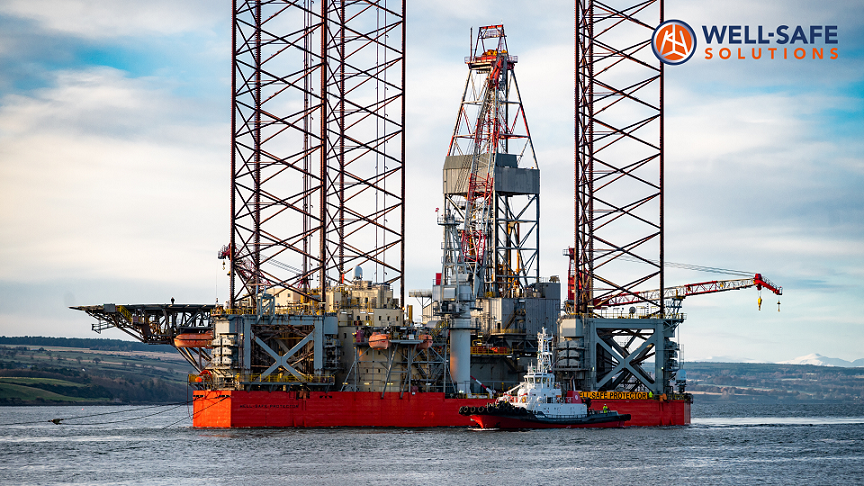
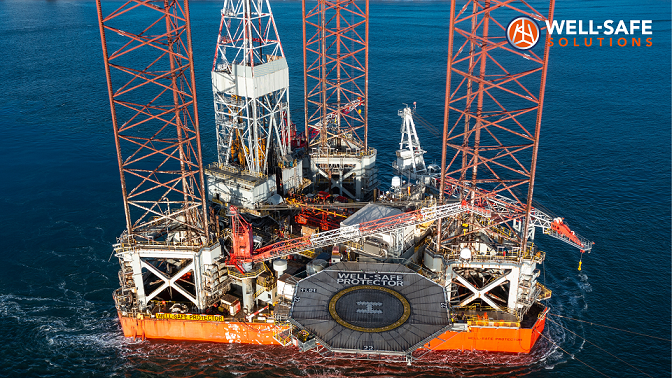
While the challenges of the global COVID-19 pandemic were unprecedented, our business emerged in a stronger position as a result of the protective measures we took to strengthen and develop during this time. In September 2020 we welcomed the Well-Safe Protector jack-up rig to the business, which is presently preparing to mobilise for Ithaca Energy in late summer 2022.

The continued focus and effort of our offshore and onshore-based teams meant that we were able to really hit the ground running in 2021, with the Well-Safe Guardian securing work for Repsol Sinopec Resources and CNR International UK Ltd. As a result of these wins, our teams have increased both in size and scope, with over 130 new personnel joining us across the business in the past year.

Although there have been several milestones achieved during the first five years of the business, one of the most memorable was the mobilisation of the Well-Safe Guardian for Repsol Sinopec and CNR International in January 2022 realising our ambition to deliver multi-operator, multi-well campaigns.

A recent highlight for Well-Safe was the purchase of the Well-Safe Defender semi-submersible in June of this year, giving our clients greater flexibility for their well decommissioning requirements.  A little over a month after taking ownership of the rig, we have secured a significant backlog of work for the Well-Safe Defender – demonstrating clear demand for our solutions in our fifth anniversary year.

While our acquisitions and contract wins help to demonstrate our success as a business, we are immensely proud of our commitment to operational safety both on and offshore, as nothing is more important than returning safely to our families. Across all of our assets, we continue to pursue our end goal of zero incidents, promoting a positive safety culture in which everyone takes responsibility for their own safety as well as that of their colleagues.

A clear goal of ours from the outset was to use the decommissioning opportunities in the North Sea to demonstrate the future exportability of our business model. Looking to the future, we are actively pursuing exciting new opportunities throughout Europe and the Asia-Pacific regions in order to secure years of work to come.

As we continue to grow, the ethical impact and sustainability of Well-Safe will come to the fore as we successfully navigate the energy transition, reduce our environmental impact and manage our climate and business risks.

While a lot has changed over the last five years, Well-Safe’s guiding vision remains unchanged and on track. We have never forgotten our steadfast commitment to the mission and promises which set our offering apart from the rest: our desire to be the industry’s trusted well decommissioning service partner of choice.

The Well-Safe Solutions senior management team

Well-Safe Solutions inks new UKCS decommissioning deal

By |

Well decommissioning specialists Well-Safe Solutions have signed an agreement to plug and abandon (P&A) 14 wells on the UK continental shelf.

The deal is the first scope agreed for the Well-Safe Defender semi-submersible rig, which Well-Safe Solutions purchased in June 2022.

The project, for an undisclosed value, will see the Well-Safe Defender mobilising in March 2023 for approximately 250 days of work.

Neil Ferguson, Operations Director at Well-Safe Solutions, said: “This is a very exciting time for our teams, with a little over a month between Well-Safe taking ownership of the Well-Safe Defender and the signing of this contract with our latest client.”

The Well-Safe Defender is currently undergoing a host of efficiency enhancements as part of its integration into the business as well as the completion of its recertification ahead of mobilisation in March 2023.

Gavin Robinson, Commercial Manager at Well-Safe Solutions, added: “We are delighted to assist our client, a leading European operator, with meeting their decommissioning obligations on these historic fields.

“Like the Well-Safe Guardian and Well-Safe Protector, the Well-Safe Defender is a dedicated decommissioning asset converted from a drilling rig. Clients benefit from a greatly reduced carbon footprint and quicker mobilisation times as a result, as no virgin steel is required for a new-build rig.

“In addition to the clear economic benefits of this approach, we expect this work to generate approximately 60 new positions offshore, with several supporting roles also required onshore. This will take the total estimated headcount in Well-Safe to 330 people in early 2023.”

This contract announcement is the latest in a summer of growth for Well-Safe Solutions, who previously announced a well decommissioning contract with Ithaca Energy as well as a capital funding boost of £50m+ by new and existing investors.

Well-Safe Solutions raises £50m to fund UK and international growth

By |

Specialist well decommissioning services provider Well-Safe Solutions has today announced the completion of its third investment round, raising £50 million for the company.

Well-Safe Solutions will use the funds for the purchase of its third rig and to broaden the capabilities it offers to clients around the world.

The funding round was led by MW&L Capital Partners, a London-based principal investment and financial advisory firm, with participation from a consortium of new and existing investors.

This latest investment brings the total capital raised by the company to over £150m.

Phil Milton, Chief Executive Officer of Well-Safe Solutions, said: “This further investment demonstrates our strong investor support, enabling ongoing growth here in the UK as well as delivering the next stage of Well-Safe’s international growth.

“The capital raised in previous investment rounds has been instrumental in enabling the company to put in place a world-class portfolio of bespoke well plug and abandonment (P&A) assets, backed by expert onshore and offshore teams.

“These investments are now bearing fruit thanks to recent contract wins and workscopes throughout the North Sea for our rigs and well engineering teams.

“As we continue to build upon Well-Safe’s operational record, we are looking forward to exporting this model to new markets, which have expressed an interest in our collaborative, multi-well, multi-operator approach to well decommissioning.”

The announcement of new funding is the latest development in a continuing period of growth for the business.

Well-Safe was recently awarded its first contract with Ithaca Energy for the Well-Safe Protector jack up rig, which will be used to decommission several wells located in the Southern North Sea. The business also announced the acquisition of the ex-Awilco Drilling WilPhoenix semi-submersible rig, which is to be renamed the Well-Safe Defender.

The Aberdeen-based company is building on this positive momentum, with over 100 new employees joining the company in the past 12 months.

Alasdair Locke, Chairman and majority shareholder of Well-Safe Solutions, said: “Congratulations to Phil and his team for the continuing success in the execution of our plan.

“This financing allows a step change in the capabilities of Well-Safe Solutions, enabling us to be competitive on a global basis. I’m grateful for the support from existing and new investors.”

Julian Metherell, a founding partner of MW&L Capital Partners, added: “We are delighted to continue to partner with Well-Safe to build a world-class decommissioning business.

“We are well supported by existing investors and delighted to have attracted new investors who share our vision for the business.”

Well-Safe Protector to undertake Ithaca Energy North Sea well decommissioning

By |

Well-Safe Solutions have been contracted by Ithaca Energy to plug and abandon (P&A) six wells on the Anglia Platform in the Southern North Sea, approximately 55km from the UK mainland.

The contract – for an undisclosed sum – will see the Aberdeen-based well decommissioning specialists provide project management, well engineering and all managed delivery services for the project.

The Well-Safe Protector harsh environment jack-up rig is nearing the end of extensive technical preparations and will mobilise to the field in late summer 2022.

Matt Jenkins, Chief Operating Officer at Well-Safe Solutions, said: “This full-service contract is further vindication of our operating model and allows Ithaca to realise the benefits of Well-Safe’s extensive experience in the Southern North Sea.

“Well-Safe delivers environmentally-friendly and cost-effective well decommissioning operations, unlocking key learnings over multi-well, multi-operator campaigns.

“We are thrilled to have reached this agreement with the team behind Ithaca Energy, who have entrusted Well-Safe with this important project, allowing them to maintain resources on their production delivery workscopes and significant capital projects.”

An option to P&A an additional three subsea wells is also available during 2023.

Jane Eddie, Bid Manager, added: “We have worked closely with Ithaca Energy to design a contract which meets their needs and – crucially – those of Offshore Energies UK, the North Sea Transition Authority and other industry stakeholders.”

“Our team is uniquely positioned to support Ithaca Energy with their decommissioning obligations, as we are the first UK-based company with owner-operated rigs to exclusively perform well P&A operations.”

Commenting, Ricky Thomson, OEUK Decommissioning Manager, said: “Decommissioning has a crucial role to play in helping the UK deliver its net zero ambitions, as outlined in the North Sea Transition Deal. The UK’s decommissioning industry has an incredibly exciting future ahead, and projects like this will be vitally important to realising those ambitions.

“We welcome today’s announcement by Well-Safe Solutions. We wish the project the very best of success moving forward.”

This contract announcement follows recent news of Well-Safe Solutions’ purchase of the WilPhoenix semi-submersible rig from Awilco Drilling. The rig will now undergo conversion for well P&A activity and has been renamed the Well-Safe Defender.

Well-Safe Solutions announces agreement to add third rig to fleet

By |

Well decommissioning specialists Well-Safe Solutions have today announced that they have reached an agreement with Awilco Drilling to acquire the WilPhoenix semi-submersible rig – Well-Safe Solutions’ third asset acquisition in three years.

Built in 1983, the WilPhoenix is an established presence in the North Sea, having been extensively refurbished and upgraded in 2016. Well-Safe Solutions expect to take delivery of the rig in June 2022 and will carry out optimisation and recertification requirements for future well plug and abandonment (P&A) activity.

The rig acquisition is expected to create around 100 jobs in a variety of onshore and offshore roles, in addition to the 231 personnel already employed by Well-Safe Solutions.

Phil Milton, Chief Executive Officer at Well-Safe Solutions, said: “The addition of our second semi-submersible rig, to be known as the Well-Safe Defender, is a landmark achievement for the business.

“Strong demand for our other dedicated P&A semi-submersible rig, the Well-Safe Guardian, demonstrates a clear business case for the need for further specialised assets. We are very pleased to have reached an agreement with Awilco Drilling to integrate this well-regarded asset into our portfolio.

“The addition of a third specialist decommissioning rig enables Well-Safe Solutions to deliver upon our vision of being the industry’s trusted well decommissioning service partner of choice, and is in line with the company’s long-term growth strategy.”

Neil Ferguson, Operations Manager at Well-Safe Solutions, added: “The WilPhoenix has a strong track record and is the right candidate to undergo conversion for well P&A.

“We are dedicated to assisting the global energy sector in the transition to net zero and reconfiguring an existing asset for decommissioning activity enables our clients to take advantage of considerable financial savings and environmental benefits.”

Well-Safe Solutions is the first UK company with its own assets to provide a Tier 1 well decommissioning service focused exclusively on P&A, with the Aberdeen-headquartered company owning and operating the Well-Safe Guardian semi-submersible and Well-Safe Protector jack-up rig.

The WilPhoenix is expected to enter service with its new owners as the Well-Safe Defender in late 2022.

Well-Safe Solutions generates £3.3m decommissioning savings

By |

Well decommissioning specialists Well-Safe Solutions have realised cost savings of £3.3m for a North Sea client, driven by an operational commitment to safe, smart and efficient methods of working.

The announcement follows a comprehensive review of rig and well operations, planning, logistics, and financials to deliver a holistic understanding of operational benefits.

The largest individual saving of £942,000 was suggested by Well-Safe’s well engineering team at the planning phase. It was calculated that the abandonment barrier on one well could be successfully created via two smaller milled windows, resulting in both a reduction of operational risk and milling time.

Patrick Nesbitt, Project Manager at Well-Safe Solutions, added: “The vast majority of savings were realised through considerable time savings, unlocked via innovative ways of working and the experience and communication of our dedicated plug and abandonment (P&A) teams with the client.

“For example, though effective planning, we determined that it would be more cost and time-efficient to conduct make up and break out works in Great Yarmouth as opposed to Aberdeen. This straightforward assessment and material change resulted in a saving of over £150,000 for our client.

“We are delighted with the results of this analysis, which provides measurable validation of our ways of working and the tangible benefits it realises.”

In normal circumstances, wells to be decommissioned are abandoned sequentially, with wireline-based intervention carried out to install barriers and remove any hydrocarbons present in the wellbore (stage AB0). The tubing is then removed with the BOP installed, with abandonment barriers set in place (stages AB1 and AB2). Conductor cutting and recovery is then generally performed as a batch operation, as part of stage AB3.

Well-Safe managed to save the client 15 hours of operational activity every time the blow-out preventer (BOP) was off the well, by ‘hopping’ it between wells.

This avoided the removal of choke and kill hoses along with the bell nipple, which is normally a time-consuming process. This procedure enabled the high-pressure riser to be removed, the rig to be skidded to its new location, the tree to be removed, and the high-pressure riser to be reinstalled – all while the BOP remained suspended, increasing the value of savings for the client.

James Richards, Well Abandonment Director at Well-Safe Solutions, said: “Our desire to reduce the cost of decommissioning for our clients is built around the efficient capturing, retention and sharing of knowledge between our personnel, our clients and project stakeholders.

“As part of a comprehensive ‘lessons learned’ process, we reviewed operations following the conclusion of the engineering, contractor management and logistics services we provided.

“These learnings are directly applied to the planning phase of subsequent projects, delivering safer and efficient operations and ensuring greater collaboration between teams. This enables us to share best practice across the industry, driving collaboration while streamlining both costs and time.”

Well-Safe Solutions’ safe, smart and efficient way of working enables the company to realise significant cost savings on behalf of the client, without compromising operational or personal safety.


The benefits of SIMOPS

By |

Drew Duncan, Senior Well Abandonment Engineer at Well-Safe Solutions, summarises the operational benefits of SIMOPS – as seen during the Schooner platform decommissioning campaign.

Simultaneous Operations (SIMOPS) are multiple activities carried out at the same time in a single location, often in close proximity to one another. The risks of SIMOPS working on a live marine asset, often in a small workspace, requires careful mitigation so that personnel and assets are kept safe.

The Schooner platform, operated by Norwegian operator DNO, is located in the Southern Basin of the UKCS. A twelve-slot Normally Unmanned Installation (NUI), 10 of the 12 slots have wells still open to the reservoir. One slot has a previously abandoned well and the last remains empty.

In typical scenarios, wells are abandoned sequentially, with wireline-based intervention carried out to install barriers and remove any hydrocarbons present in the wellbore (stage AB0). The tubing is then removed with the BOP installed, with abandonment barriers set in place (stages AB1 and AB2). Conductor cutting and recovery is then generally performed as a batch operation as part of stage AB3.

Digital slickline operations

In line with Well-Safe Solutions’ ‘safe, smart and efficient’ operational commitment, we proposed a programme of SIMOPS batch digital slickline operations to significantly improve operational efficiency and reduce the total cost of abandonment. This enabled eight of the 11 wells to be entered and abandoned to AB0 status, with two digital slickline units operated at the same time. One unit worked from the drill floor through a high-pressure wireline riser, while the second carried out operations from the Schooner platform’s weather deck.

Due to the tight space constraints of the weather deck, Well-Safe’s expert engineering team led the design, fabrication and installation of moveable beams installed below the drill floor, which supported the lubricator above multiple well slots and maximised the length of lubricator available for maximum toolstring length.

An unusual challenge in this scope was the discovery that one of the wells contained 14,000ft of slickline above a toolstring; present since 2006 when previous attempts at fishing had been unsuccessful. Peak mobilised their heavy-duty fishing system, with approximately 11,575ft of wire successfully removed over 24 runs. This successfully cleared the tubing and allowed access for the deep-set plug.

As we weren’t sure exactly how long it would take for the execution of fishing operations, our digital slickline SIMOPS enabled three other wells to be entered, abandoned and suspended concurrently. This not only delivered a considerable time saving for the client, but crucially was able to be carried out with no detriment to operational safety.

Collaborative working

A key tenet of Well-Safe Solutions’ offering is its dedication to collaborative working, enabling lessons learned to be shared throughout the industry. Our drive to reduce the cost of decommissioning for our client led to the use of several specialist technologies.

Two digital slickline units were used to support SIMOPS, using industry-leading digital slickline services. This method enabled execution to be streamlined by combining two services into one cable conveyance. Real-time services including performing mechanical jarring, explosive and non-explosive plug-setting and utilising tubing cutters.

In addition, this technology enabled a higher level of operational efficiency through reduced equipment handling, as there was no longer a requirement for additional rig-ups between conventional slickline and e-line (or wireline) equipment. Wellbore data  was also enhanced by the digital slickline system’s ability to provide real-time toolstring pressure and temperature data.

Pressure wave valves provided by Oilenco enabled an additional run to be removed from the scope, following deployment of the blow-out preventer (BOP) and pressure-cycling of the valve. These intelligent practices further reinforced the time savings achieved by the SIMOPS carried out earlier in the project.

Every little helps

The use of SIMOPS was not the only optimisation measure used on the project.  With operational efficiency one of the central goals of the scope, Well-Safe Solutions was able to halve the time the BOP was off the well, by ‘hopping’ it between wells. This avoided the removal of choke and kill hoses along with the bell nipple, which is normally a time-consuming process. This procedure enabled the high-pressure riser to be removed, the rig to be skidded to its new location, the tree to be removed, and the high-pressure riser to be reinstalled – all while the BOP remained suspended, increasing the value of savings for the client.

For NUIs such as the Schooner platform, day trips using helicopters for limited-duration work campaigns are the norm. Lack of daylight, as well as instances of poor weather, can create considerable difficulties in enabling access to and egress from the platform. Air-gapping operations, where surface well barriers are proved and flowlines are removed, were originally planned to be carried out ahead of the drilling rig’s arrival to the platform by way of a helicopter or walk-to-work campaign. Well-Safe proposed to DNO that this operation could be safely carried out as SIMOPS, with the air-gapping carried out simultaneously to the concurrent batch digital slickline activities.

Safe, smart, efficient working

Drew Duncan, Senior Well Abandonment Engineer, Well-Safe Solutions

The SIMOPS measures carried out have had a measurable benefit on not only the client’s bottom line, but also their operational efficiency. We are proud of the work we’ve done, not only because we’ve enabled safer, smarter and more efficient ways of working, but also because of our collaborative approach to sharing best practice across the industry.

SIMOPS methods enable Well-Safe Solutions to realise significant cost savings to benefit the client and the wider decommissioning industry, with no detriment to operational or personal safety.


For more information on Well-Safe Solutions’ expertise in SIMOPS, please get in touch with us here.


Well-Safe Solutions features on BBC2’s Great Coastal Railway Journeys

By |

Last summer, we welcomed journalist and ex-politician Michael Portillo to the Well-Safe Guardian, during the semi-submersible rig’s upgrade works at the Cromarty Firth.

Take a look at the segment below, and enjoy the tour as Rig Manager Louis Duncan shows Michael around.

 Watch here: Well-Safe Solutions feature in Great Coastal Railway Journeys (BBC iPlayer, 0:00 – 11:10)

Please note that this content is only available via BBC iPlayer in the United Kingdom.


Gallery: Well-Safe Guardian mobilisation

By |

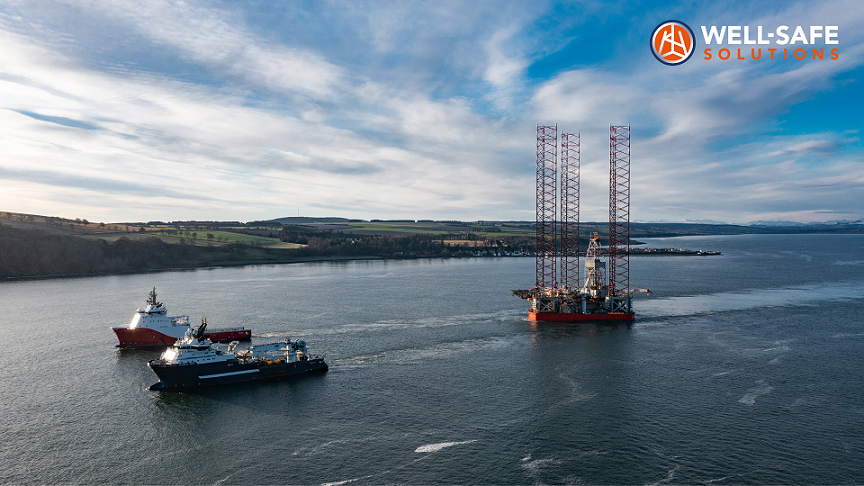
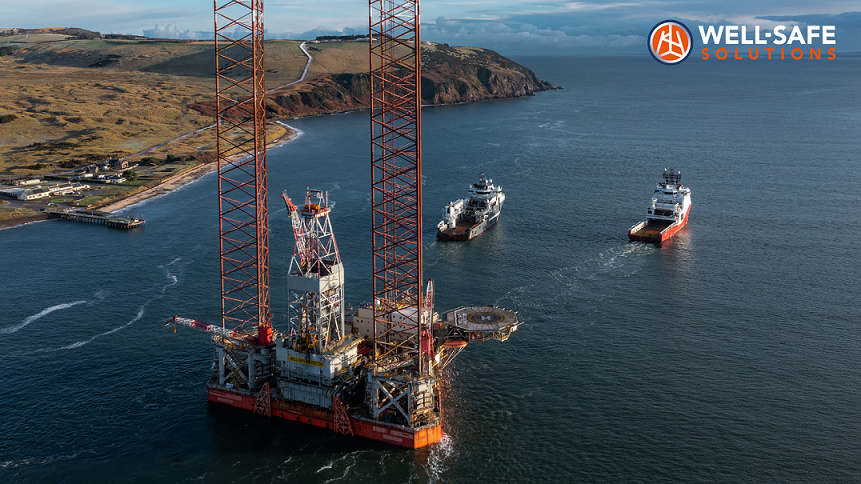
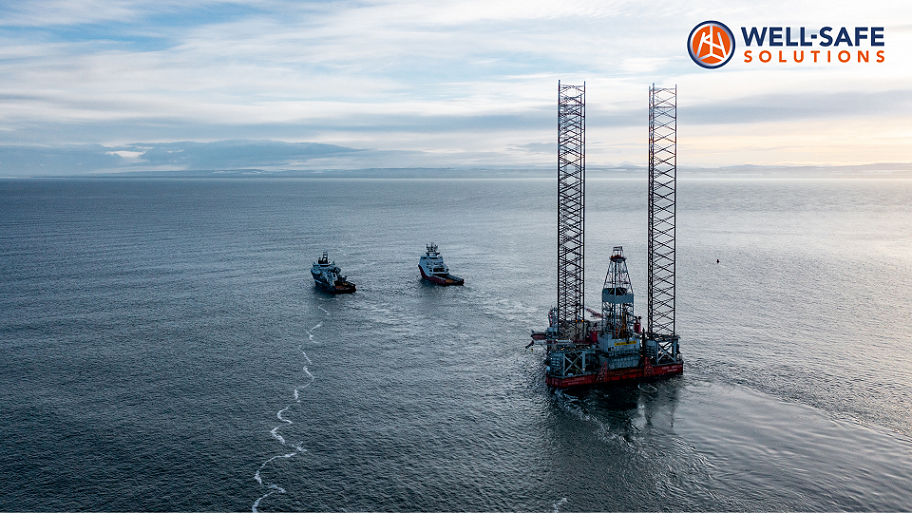
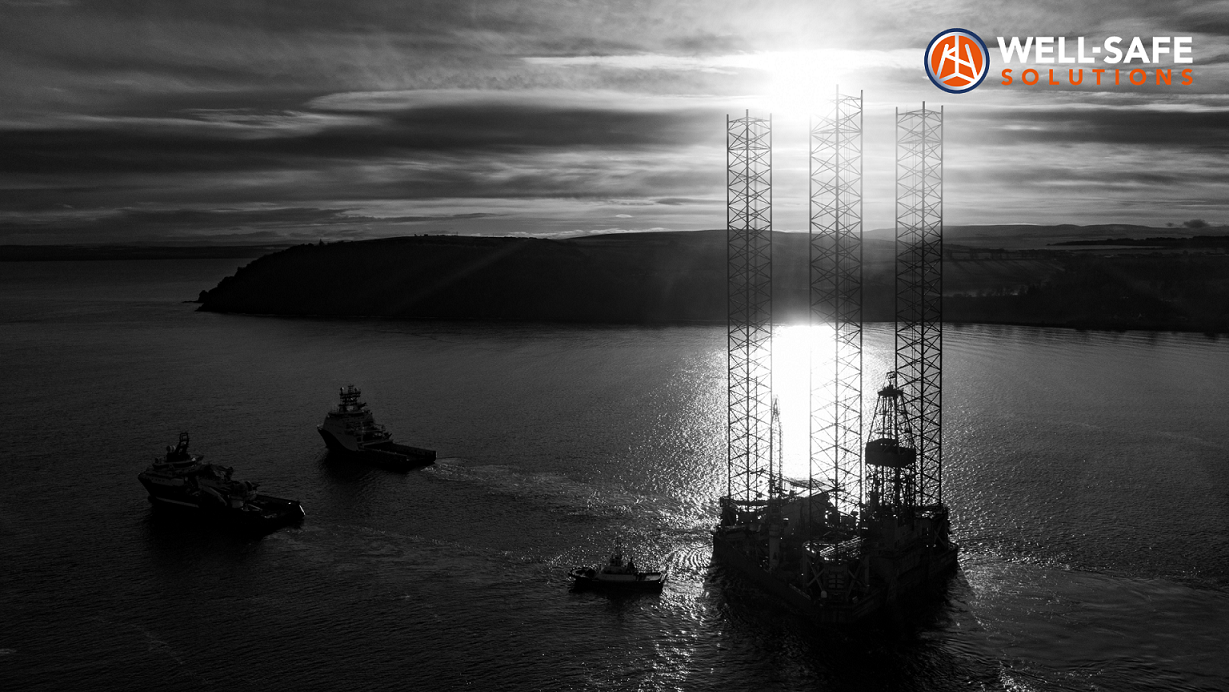
Take a closer look at the Well-Safe Guardian, as our specialist well plug and abandonment rig mobilised for the first time on Wednesday, 19 January 2022.

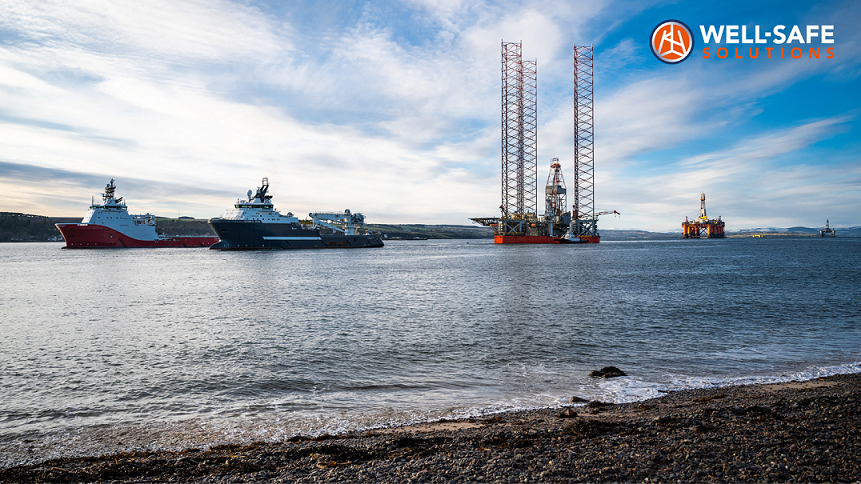
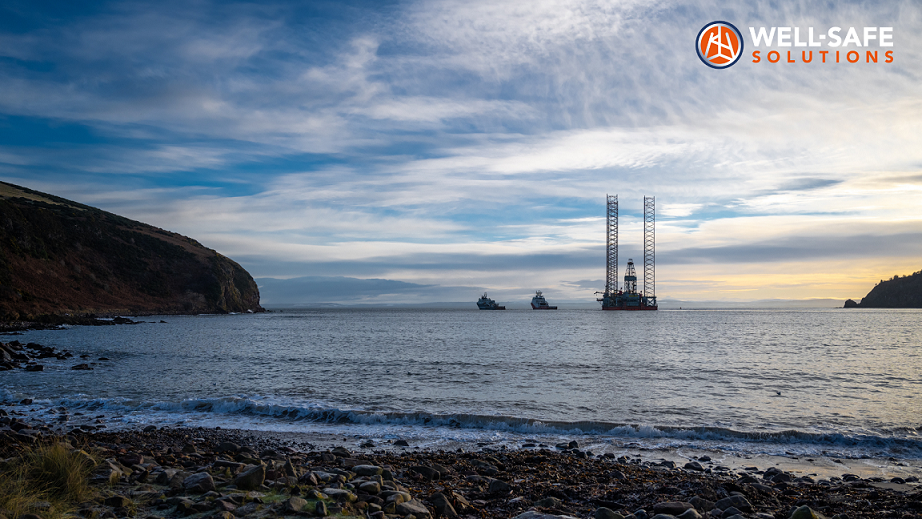
The rig was towed out of the Cromarty Firth in Scotland to head for the Hannay and Buchan fields of Repsol Sinopec Resources UK.

The mobilisation of the Well-Safe Guardian marks the culmination of years of preparation, as the crew and rig will undertake well decommissioning activities as part of Well-Safe Solutions’ fully integrated offering.

Congratulations and thank you to everyone who has been involved along the way!

The ‘how’ of well decommissioning

By |

What would you do with £46 billion?

That’s the forecasted total cost of decommissioning all of the UKCS’ offshore oil and gas infrastructure currently in place today [OGA UKCS Decommissioning Cost Estimate 2021]. Looking at the UKCS in total, there are over 4,000 wells awaiting decommissioning, with 893 inactive suspended wells [OGA UKCS Decommissioning Benchmarking Report 2021].

While the decommissioning industry in the UK continues to grow in economic and sociopolitical importance, there’s still a lot of work to be done as part of the UK’s commitment to responsibly managing its petroleum legacy. The eyes of the world are upon the North Sea, as the forthcoming decade is set to see several legacy assets move into the decommissioning phase – and our industry regulators, stakeholders and strategies put to the test.

Why are P&A campaigns so important?

Simply put, plug and abandonment (P&A) campaigns are a key tool in helping the decommissioning industry achieve the 35% cost reduction target mapped out by the Oil & Gas Authority in 2016. While approximately 9% of UKCS platforms have been decommissioned to date, many operators in the industry have learned through experience that well decommissioning methodologies are different to those required for drilling.  Decommissioning is not simply the reverse of the exploration and production mindset seen in the installation process – and many operators and regulators are looking to the North Sea for guidance on how best to do it.

While P&A campaigns have been carried out previously, these have been on a relatively small scale, and focused primarily on suspended exploration and appraisal wells only. We believe that the industry can benefit immensely from the operational continuity and efficiencies of scale achieved by P&A campaigns, with clear performance benefits for those willing to embrace the change.

What does the industry require?

Given the North Sea’s compelling heritage as an international trailblazer of new technologies and methodologies, we passionately believe that the decommissioning industry requires specialists focused solely on well decommissioning. Service companies with assets tailored to P&A activity –  supported by a team of experts experienced in the unique challenges of decommissioning work –  will be best-placed to make the most of a continuous learning curve based on experience with multiple operators.

In addition, the importance of early client engagement and collaboration is vital in ensuring alignment with multiple operators and their diverse requirements. Flexibility between clients and organisations enhances understanding and collaboration, helping to break down silos of information.

How can we carry out decommissioning effectively?

While key tenets of well decommissioning design, technology and methodology remain fairly constant,  our experience to date has shown that decommissioning requirements are far from ‘one size fits all’. What Well-Safe Solutions has dubbed the ‘Lego brick approach’ enables clients to piece together a bespoke decommissioning package; scaleable and tailor-made to suit distinct project needs.

This methodology enables third parties to work hand in glove with in-house teams, unlocking access to unique, low-cost equipment via dedicated plug and abandonment club campaigns. Taking this project-managed approach minimises operator overheads, enables fixed long-term rates and guarantees asset access. In addition, a key benefit of the campaign approach is an exponential learning curve for all parties involved, which generates considerable time savings and efficiencies the more wells in a field are decommissioned.

What does the future look like?

The UKCS is at a pivotal stage in its decommissioning journey, and being one of the most tightly-regulated and safety-conscious mature basins in the world, the UKCS is a bellwether for the wider industry. Going forward, we see continued adoption of the well decommissioning campaign concept becoming the norm – putting in practice a much-needed step change in performance and cost reduction, at no cost to safety.

A key tenet of this coordinated approach will also be the link between improved schedule flexibility and greater scope alignment between operators and decommissioning organisations, while an influx of dedicated well decommissioning assets and crews with deep sector knowledge and experience will speed up the completion rate of projects.

As decommissioning work on the UKCS gathers pace over the next five years, we will start to see even more opportunities to export our ‘lessons learned’ with other nations who are beginning to perform offshore well decommissioning campaigns at scale. It is here that organisations who have been quick to react to initial challenges will be able to reap the rewards of existing value-added partnerships across the supply chain.

Given the sheer size, complexity and technical challenges inherent in decommissioning projects, the opportunity in the years ahead heralds a new era of ingenuity in the North Sea and beyond. It’s up to everyone involved in the decommissioning sector to ensure that our work preserves the UKCS’ world-class reputation as a responsibly managed, mature basin – and that the lessons learned can be used to ensure every penny is wisely spent.

This article originally appeared in the December 2021 issue of Decom News, from Decom North Sea.